What Photos Does Your Business Website Actually Need?
When people begin planning a business photography session, they often think first about getting a good headshot. That is certainly useful, but a strong business website usually needs more than one polished portrait.
Your photographs help visitors understand who you are, what you do and what it may feel like to work with you. They also need to fit the practical structure of your website. An image that looks beautiful on its own may not necessarily work beside a headline, inside a narrow website column or across the top of a homepage.
The most useful business photography therefore begins with a simple question: where and how will the photographs be used?
Here are the main types of images worth considering when planning photography for your website.
1. A strong homepage image
Your homepage usually needs one clear image that immediately establishes the person or business behind the website.
For a personal brand, this may be a confident portrait looking towards the camera. For a more creative or informal business, it could be a wider photograph showing you in your working environment.
A homepage image often needs room around the subject so that your web designer can place text or a button beside it. This is why it is useful to create both closely framed portraits and wider compositions during a branding session.
A photograph that fills every part of the frame may be striking, but it can leave very little space for the practical needs of the website.

2. A professional headshot
Even highly personal and creative brands benefit from having at least one clear professional portrait.
This image may be used on your About page, contact page, LinkedIn profile, speaker biography, professional directory or company introduction. It does not need to look stiff or traditionally corporate, but it should allow people to see you clearly.
A useful headshot should still resemble how you appear when clients meet you. Heavy styling or retouching may create an attractive image, but it is less helpful if the finished photograph feels disconnected from the person behind the business.
The aim is not to remove every sign of age or individuality. It is to photograph you with care, good light and precise direction.
3. A warmer portrait for your About page
Your main headshot may communicate confidence and professionalism. Your About page can often carry something more relaxed and personal.
This might be a softer portrait, a natural expression or an image taken in a location that reveals something about your character or way of working.
People visit an About page because they want more than a list of qualifications. They want to understand the person they may be trusting, hiring or inviting into their business.
A warmer portrait helps make that introduction feel human without becoming overly casual.

4. Photographs of you working
For many service businesses, the work itself is difficult to show. A consultant, therapist, coach, designer or strategist may not produce a physical product that can easily be photographed.
Working images help make an otherwise abstract service feel more tangible.
These photographs might show you speaking with a client, reviewing a project, preparing materials, working at a computer, presenting an idea or using the tools associated with your profession.
They do not need to be literal demonstrations of every task you perform. Their purpose is to create a sense of process, attention and involvement.
The strongest working photographs still feel natural, but they are rarely accidental. Small decisions around hand placement, posture, background, light and camera angle make a significant difference.
5. Details of your environment, tools or process
Not every website photograph needs to include your face.
Details can add rhythm and visual variety to a website. Depending on your work, these might include your studio, desk, materials, equipment, notebooks, products or elements of the environment in which you meet clients.
For an artist or maker, details may show texture and process. For a professional service provider, they may communicate organisation, thoughtfulness or the atmosphere of the client experience.
These photographs work particularly well between sections of text and can help replace generic stock imagery with something specific to your business.
6. Both horizontal and vertical photographs
One of the most overlooked parts of a branding session is image orientation.
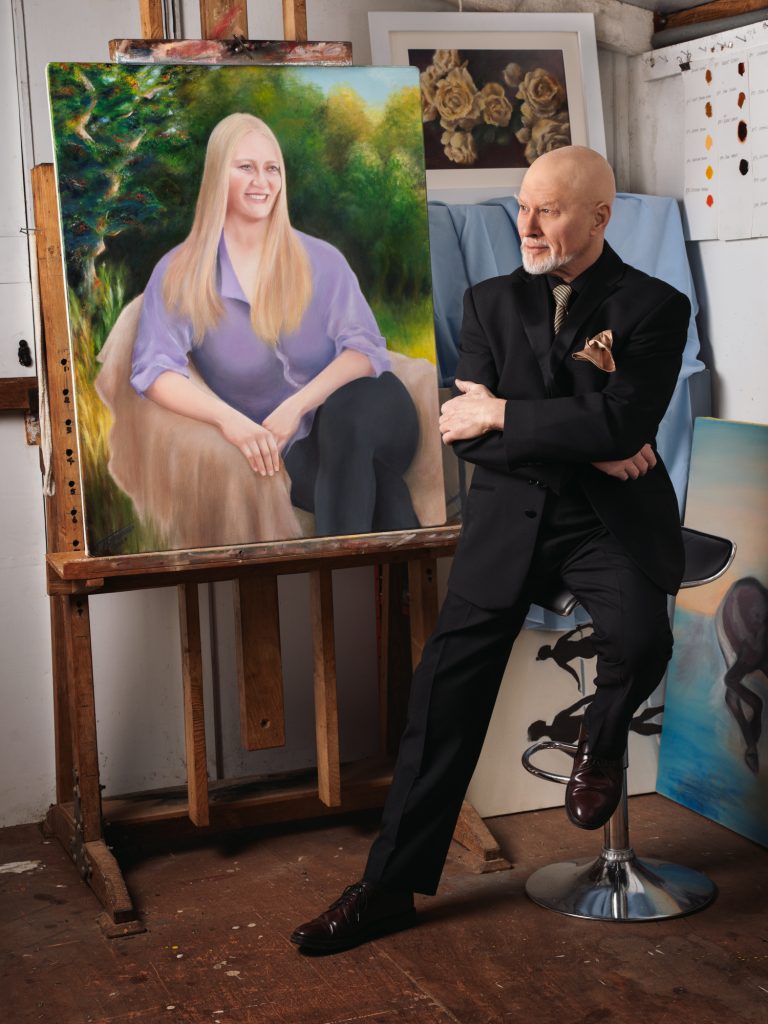
Horizontal images often work best across website banners and beside blocks of text. Vertical images are useful for profile sections, blog features, social media and mobile layouts.
A good collection should include both.
It is also helpful to create some photographs with the subject placed slightly to one side. This gives your web designer room to add text without covering your face or an important part of the composition.
When every photograph is framed in exactly the same way, your website can quickly begin to feel repetitive.
7. Images for each main service
When a business offers several services, one generic portrait may not be enough to support them all.
You may need different images for different pages or areas of your work. One photograph might feel appropriate for a leadership service, while another better suits a creative workshop or more personal one-to-one offer.
The photographs do not need to look like separate brands. They should still feel visually connected, but small changes in clothing, location, expression and activity can help each service feel distinct.
This is particularly useful for multi-skilled business owners whose work cannot be represented by one conventional headshot.
8. Photographs for testimonials, articles and future content
Your website may be the immediate reason for booking a session, but the photographs will probably be used elsewhere too.
A carefully planned image collection can support:
- LinkedIn posts and professional announcements
- Blog articles and guest features
- Podcast or speaking appearances
- Press coverage
- Email newsletters
- New offers and service launches
- Social media profiles and promotional materials
Planning for these uses from the beginning helps you create more value from one session. It also means you are less likely to find yourself repeatedly using the same portrait in every context.

How many photographs do you actually need?
There is no single correct number. It depends on the size of your website, how many services you offer and how regularly you create content.
A focused professional update may only require three strong images. This can be enough for LinkedIn, an About page and a company profile.
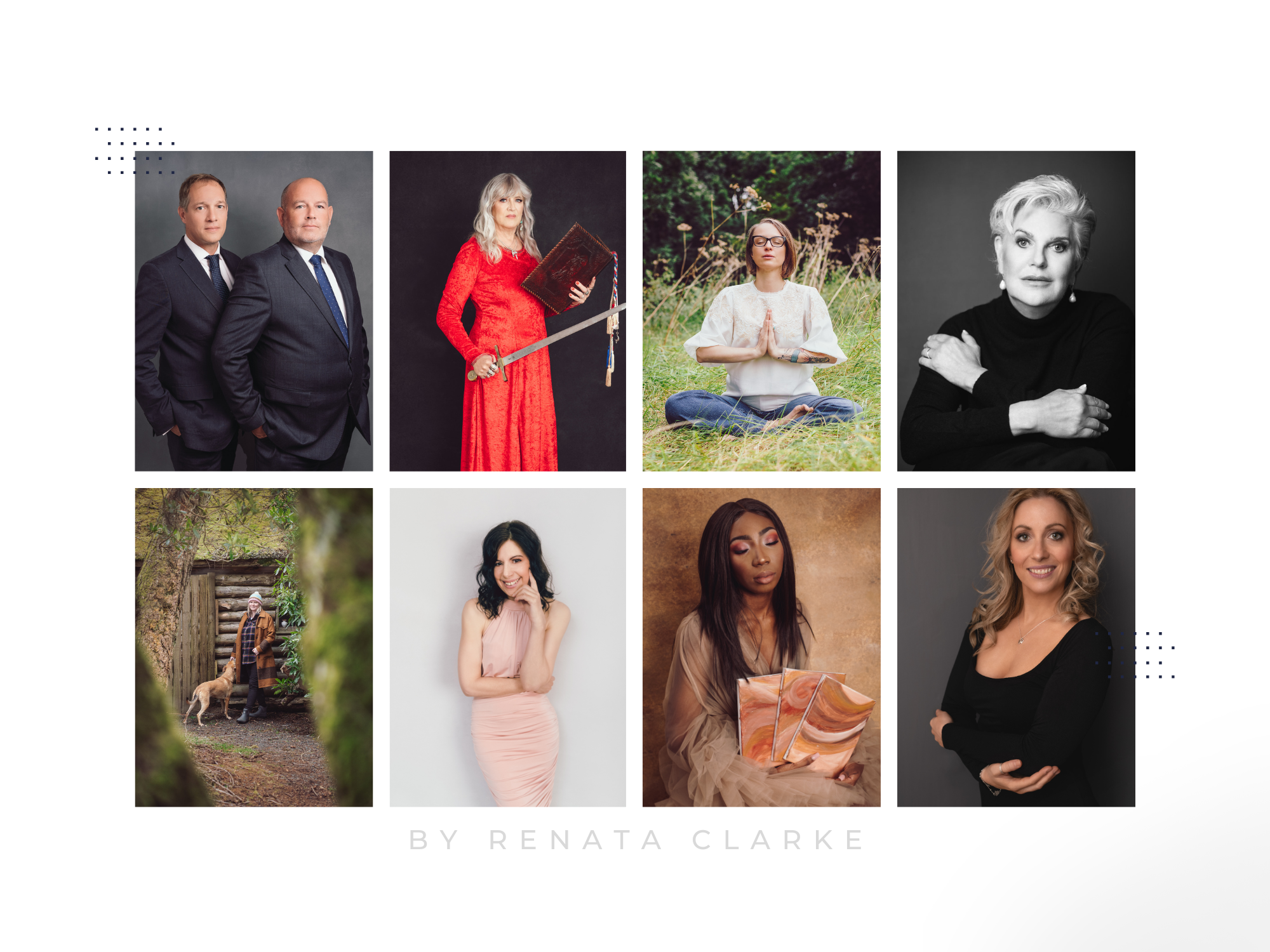
An individual business owner creating or refreshing a website may benefit from around ten varied photographs. This allows for headshots, wider portraits and a small number of working or environmental images.
A fuller business website, launch or ongoing content strategy may require twenty images or more, particularly when several locations, services or visual themes need to be represented.
More photographs are not automatically better. A smaller, well-planned collection is often more useful than dozens of similar images with no clear purpose.
Plan the photographs around the business, not a generic shot list
A useful branding session should not begin with the assumption that every business needs the same images.
A solicitor, artist, therapist, consultant and independent retailer may all need professional photographs, but their websites should not look interchangeable.
The planning process should consider your audience, your way of working, the structure of your website and the qualities you want the photographs to communicate.
That is where thoughtful business photography becomes more than simply taking a set of attractive portraits. The aim is to create a practical and distinctive visual collection that supports how your business is understood.
Based in Coylton, I provide professional headshots, personal branding and business photography across Ayrshire, Glasgow and surrounding areas. Each session includes planning, guided photography and assisted image selection, helping you create photographs that work together across your website and wider professional presence.